
Importance of Sri Janki Mahal Trust
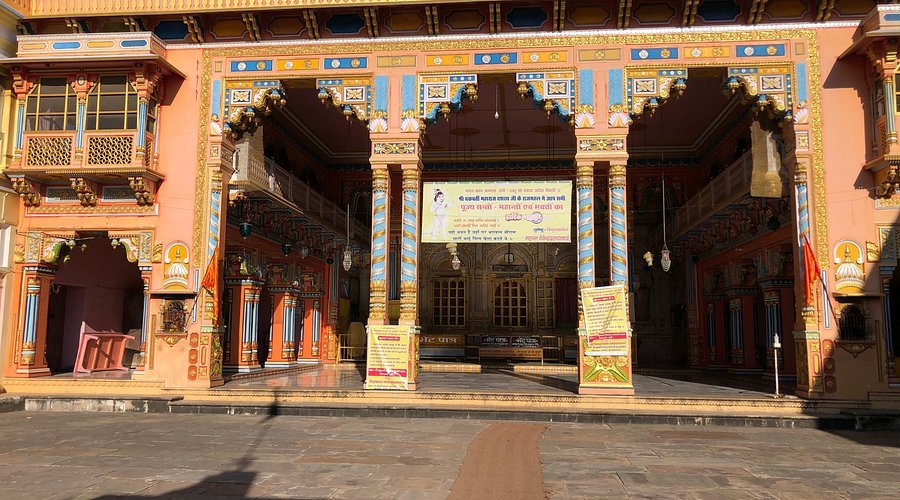
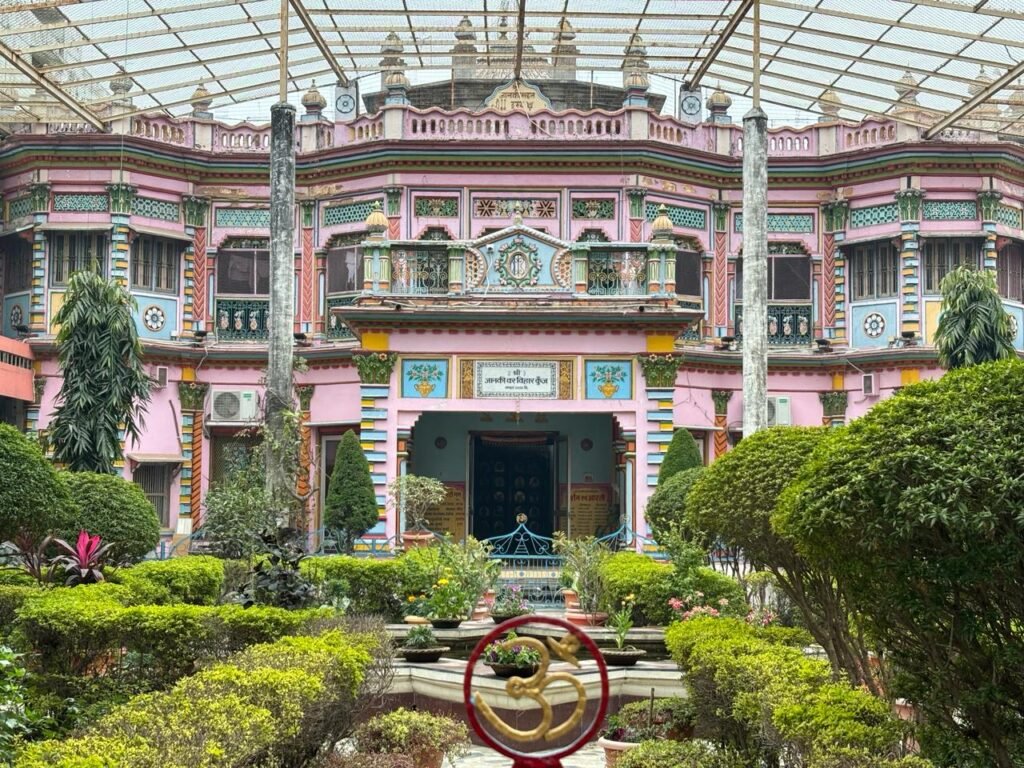
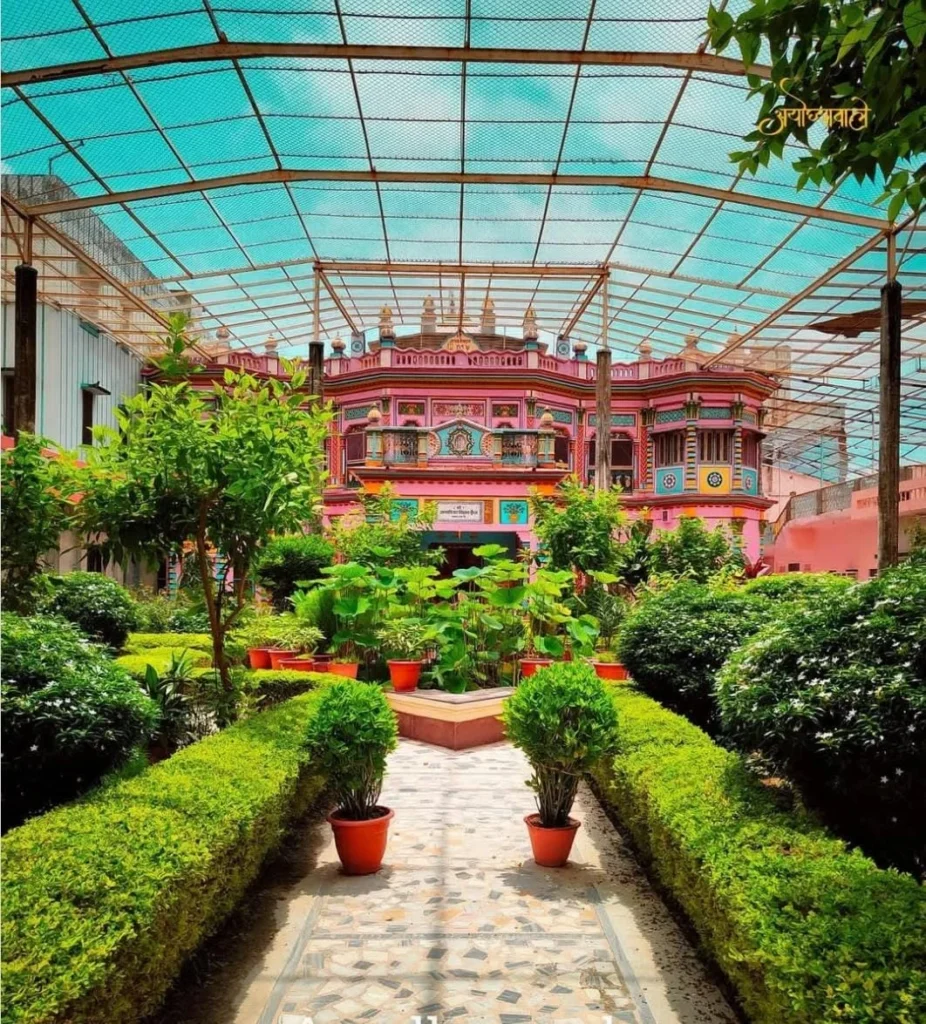
Ayodhya, the sacred birthplace of Lord Rama, is filled with numerous temples, ghats, and ashrams, each holding immense spiritual significance. However, the Sri Janki Mahal Trust stands out as a unique and highly revered place. Its importance lies not only in its spiritual depth but also in its cultural, social, and devotional values, which make it distinct from other religious places in Ayodhya
1. Spiritual Significance of Janki Mahal
- Dedicated to Mata Sita (Janki Ji):
Unlike most temples in Ayodhya that are primarily centered around Lord Rama, Janki Mahal is devoted to Mata Sita, the divine consort of Lord Rama and the embodiment of purity, sacrifice, and devotion. - Completing the Ramayana Experience:
Many temples in Ayodhya emphasize Lord Rama’s role as an avatar of Vishnu, but Janki Mahal allows devotees to also honor Sita Ji’s perspective in the Ramayana. This balance makes it spiritually deeper than other single-focus temples. - Symbol of Shakti & Bhakti:
Mata Sita represents Shakti (divine feminine power) and Bhakti (devotion). By visiting Janki Mahal, pilgrims are reminded that the Ramayana is not only Rama’s journey but also Sita’s story of endurance, strength, and righteousness.
2. Cultural & Historical Uniqueness
- Highlighting Forgotten Narratives:
In Hindu traditions, Rama is often celebrated as the hero of the Ramayana. Janki Mahal, however, highlights Sita’s silent sacrifices, her exile, and her strength as a mother and queen, giving her due respect in cultural memory. - Living Symbol of Women’s Strength:
The temple reflects Indian cultural values where the role of women, especially in religious epics, is to be remembered and honored. For devotees, it becomes a symbol of respect for womanhood. - Rare Dedication in Ayodhya:
While Ayodhya has countless temples of Rama, Hanuman, and Shiva, very few are specifically centered around Sita Mata. Janki Mahal’s distinct identity makes it culturally unique.
3. Religious Importance Compared to Other Temples
- Ram Janmabhoomi vs. Janki Mahal:
Ram Janmabhoomi is the birthplace of Lord Rama and attracts millions due to its global recognition. However, Janki Mahal complements it by allowing devotees to also honor Sita Ji, making the pilgrimage spiritually complete. - Hanuman Garhi vs. Janki Mahal:
Hanuman Garhi symbolizes devotion and service to Lord Rama, but Janki Mahal focuses on endurance, motherhood, and divine strength. Together they balance Bhakti (Hanuman) and Shakti (Sita). - Kanak Bhavan vs. Janki Mahal:
Kanak Bhavan is believed to be the palace gifted to Sita after her marriage. But Janki Mahal emphasizes her spiritual identity beyond being a queen, focusing on her role as a mother and goddess.
4. Pilgrimage Value
- Essential for a Complete Pilgrimage:
Many devotees believe that visiting Ayodhya without offering prayers at Janki Mahal leaves the yatra incomplete. Lord Rama and Mata Sita together symbolize dharma, love, and balance. - Peaceful Spiritual Atmosphere:
Compared to crowded shrines like Ram Janmabhoomi and Hanuman Garhi, Janki Mahal offers a calm and meditative environment where devotees can connect personally with divinity. - Special Festivities:
The trust organizes unique events focusing on Mata Sita, such as Sita Jayanti, Ram Navami celebrations, and women-oriented cultural programs, which are not commonly found in other Ayodhya temples.
5. Social & Charitable Contributions
- Pilgrim Accommodation & Support:
Shri Janki Mahal Trust is not just a place of worship but also a service institution that provides affordable and safe accommodation for pilgrims visiting Ayodhya. - Community Services:
The trust is actively involved in charity, food distribution (Anna Daan), medical help, and support for the poor and needy. This humanitarian role elevates its importance beyond just being a religious site. - Cultural Preservation:
Through regular satsangs, spiritual discourses, and Ramayana-based cultural programs, the trust ensures that Ayodhya’s heritage and traditions are passed on to future generations.
6. Symbol of Balance in Devotion
- Union of Rama & Sita:
Hindu devotion is often centered around Lord Rama alone. Janki Mahal symbolizes that true devotion is incomplete without honoring both Rama and Sita together. - Balance of Masculine & Feminine Divinity:
The trust reflects the Hindu philosophy of Ardhanarishwar (balance of masculine and feminine energies). Lord Rama symbolizes dharma and justice, while Mata Sita symbolizes compassion and endurance.
7. Why Devotees Prefer Janki Mahal Over Other Places
- Offers a different dimension of devotion centered on Mata Sita.
- Provides a peaceful and less commercialized environment.
- Balances the religious experience of visiting Ayodhya — after Rama’s birthplace, devotees feel spiritually complete by visiting Sita’s dedicated shrine.
- Engages in social, cultural, and charitable services that directly benefit devotees and society.
- Acts as a bridge between devotion, heritage, and service, unlike many other temples that are purely ritualistic.
Conclusion
Shri Janki Mahal Trust holds a very special importance over other religious places in Ayodhya because it fills the spiritual gap left by Rama-centric temples. It emphasizes Mata Sita’s role, balances masculine and feminine divinity, preserves culture, offers social services, and provides a serene environment for true spiritual seekers. For devotees, visiting Ayodhya is not just about Lord Rama’s birthplace but also about paying respects to Mata Sita, whose presence completes the Ramayana.